Table Of Content

You can get this gel directly from a cut leaf of an aloe vera plant or as an OTC product. To use, apply the aloe vera gel directly to the affected area of your scalp. Shingles mainly affects the skin of the body, but scabs can form on the scalp as well. Make sure to wash any bedding, clothing, and furniture the person with lice used during the 2 days before treatment. If swollen lymph nodes occur alongside scalp scabs, antimicrobial treatment may be necessary.
What does normal hair growth look like?
Sebum Buildup on the Scalp: Causes and How to Remove, Per Experts - Women's Health
Sebum Buildup on the Scalp: Causes and How to Remove, Per Experts.
Posted: Fri, 20 Oct 2023 07:00:00 GMT [source]
Generally speaking, the sooner you start treatment, the more options you have and the better your results, dermatologists say. Several serious diseases also attack the hair follicle, says Robert Brodell, a dermatologist at the University of Mississippi Medical Center. “As soon as you notice hair loss is happening, you should come in,” says Lauren Eckert Ploch, a dermatologist in Aiken, South Carolina. Get instant access to members-only products and hundreds of discounts, a free second membership, and a subscription to AARP the Magazine. One older study from 1999 used a double-blind, placebo-controlled trial to investigate the effects of aloe vera on seborrheic dermatitis.
Causes of seborrheic dermatitis
In other cases, scarring on the scalp can cause severe itching, because scar tissue can damage the nerve fibers in the skin. If an individual’s hair loss has led to the formation of scar tissue, this may be causing the itching. In this article, we discuss common causes of scalp itching and hair loss, along with ways to treat and prevent these conditions. Essential oils need to be diluted with a carrier oil before applying to the scalp. Our scalp ages at a rate around six times faster than our face, which means our headcare regime needs to step up in accordance.
Best anti-dandruff shampoo: Nizoral Anti-Dandruff Shampoo
Choose a hat made of sun-protective fabric with UPF 30 (ultraviolet protection factor). A person may experience scalp tenderness and hair loss in one spot with alopecia areata. This is true for damaged hair follicles from too-tight hairstyles, damaged hair follicles from chemicals applied to the hair, and damages caused by certain autoimmune diseases.
17 best shampoos for itchy scalps, including expert picks - TODAY - TODAY
17 best shampoos for itchy scalps, including expert picks - TODAY.
Posted: Fri, 23 Feb 2024 08:00:00 GMT [source]
If you're bothered by dry skin or any other side effects, let your provider know. They might be able to adjust your dose or switch you to a different medication. If you know your scalp is sensitive, you may want to look for hair products that don’t have irritating ingredients, like those that are hypoallergenic, dye-free, etc.
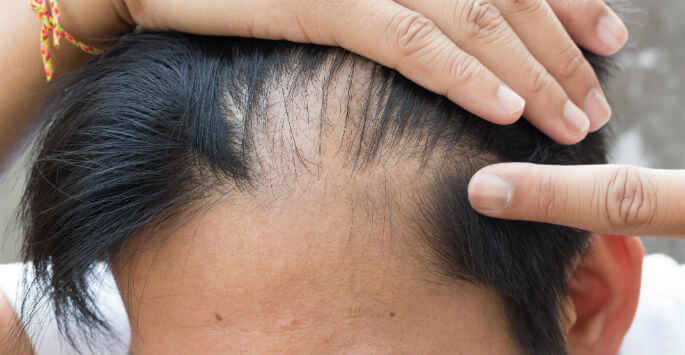
If the cause is something relatively simple to treat—for example, a case of ringworm—they may just have you get some OTC medication at the pharmacy or give you a prescription if needed. Other symptoms of scalp eczema include a red rash, swelling, bumps on the skin, crusting skin, and leathery patches of skin. People of a certain sex or race may be more likely to develop certain types of scarring alopecia. For example, central centrifugal cicatricial alopecia (CCCA) is the most common type of hair loss in Black people AFAB.
In some cases, you might have to take oral medication to clear up a ringworm infection. Atopic dermatitis (eczema) is a skin chronic condition that can cause itchy inflammation on the scalp. It is caused by a combination of an overactive immune system, genetics, irritants in the environment like tobacco smoke, and stress. Dandruff is a common condition that can cause the scalp to get dry, itchy, and flaky. Contrary to popular belief, dandruff is not a result of poor hygiene—though not washing your hair regularly can make dandruff flakes more obvious. Scarring alopecia can cause permanent hair loss, so your hair will be difficult to regrow after the follicle is destroyed.
How to prevent hair loss from dandruff
“If none of these tips help, talk to a dermatologist about other options, including prescription topical or oral medication,” Dr. Piliang advises. If you look closely, you can see tiny nits (eggs) attached to individual hair strands. They look a bit like dandruff, but they aren’t easily shaken off because they’re “glued” to the hair shaft.
Head lice
In one study, researchers noticed that people diagnosed with alopecia areata most often had hair loss in November, followed by October and January. About 10% to 20% of people who have alopecia areata see changes to their nails. You may also see red nails (A), ridges that run the length of the nails, nails that become so rough they feel like sandpaper, or brittle nails that split (B). Minimize the use of high-heat styling tools, hair extensions and harsh treatments like perms.
They may help lessen inflammation in conditions such as eczema and psoriasis, but scientific evidence is mixed. Most people with lupus notice the disease affects their skin, notes the Lupus Foundation of America. Treatment usually involves topical corticosteroid creams or oral steroids. A healthcare professional might be able to diagnose it by its appearance.
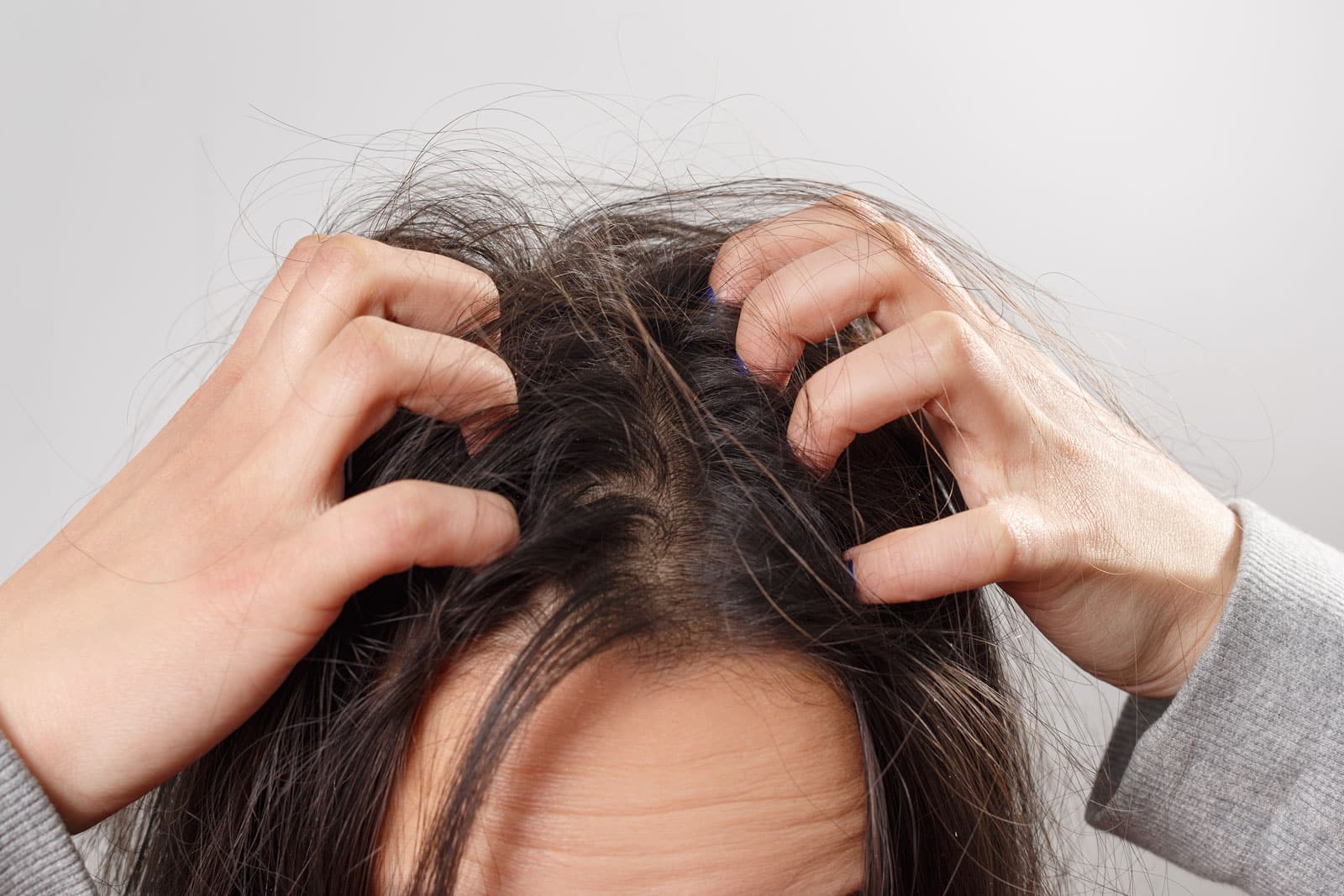
The main OTC treatments for seborrheic dermatitis on the scalp are medicated shampoos designed to treat dandruff. There is not always a link between an itchy scalp and hair loss, but when there is, treating the underlying cause of these issues will usually allow the hair to grow back over time. Allergic reactions to hair products can irritate the scalp and hair follicles, resulting in itching.
Once the underlying scalp condition is treated, the hair usually regrows. Being gentle with your hair while it’s experiencing change is important so as not to exacerbate any thinning. It goes without saying that excessive heat and chemical treatments aren’t a good idea, but try and opt for protective hairstyles too. “Opt for hairstyles that minimize tension on the hair follicles, such as loose braids, buns or ponytails,” advises Gaboardi. “Avoid tight hairstyles and hair accessories that pull on the hair and handle your hair with care to minimise breakage and damage. Preventing dandruff-related hair loss focuses on eliminating as much itchiness as possible.



No comments:
Post a Comment